



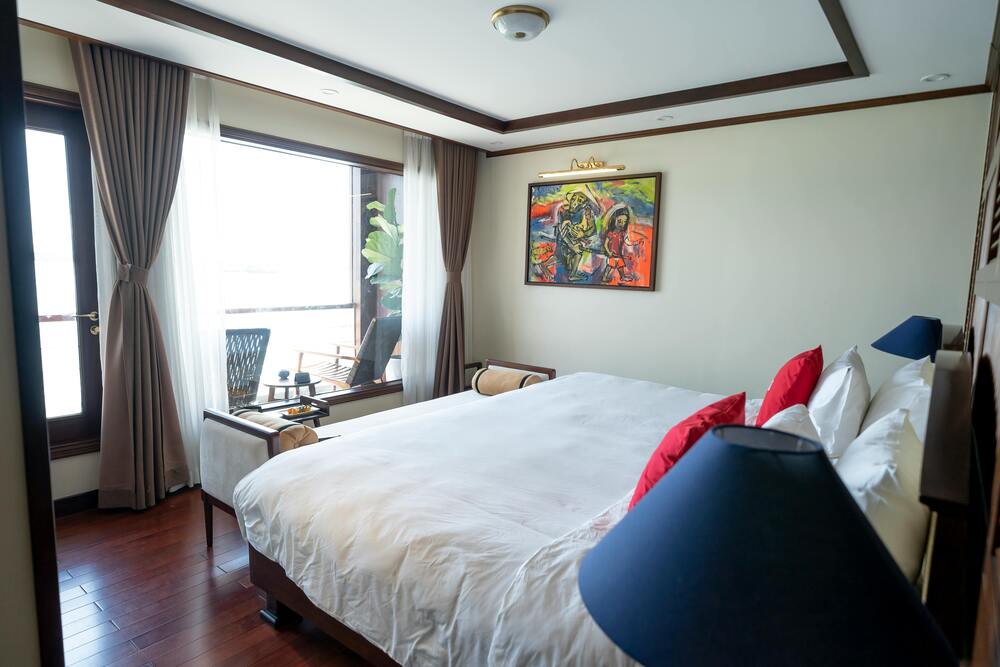
Curtains are practical design tools that soften the hard architectural edges of a room, providing much-needed warmth, privacy, and carefully filtered light.
Whatever fabric or style you ultimately select, well-chosen window curtains can add the crucial finishing touch, complementing your existing furnishings and decor to make any room feel cohesive and truly finished.
Choosing Curtains for Living Rooms
The living room is often the heart of the home, making it essential that the space feels welcoming, comfortable, and cosy. When choosing curtains for living room spaces, the primary goal is achieving a perfect balance between ambient light, privacy, and aesthetic appeal.
Determine How Much Natural Light You Want
The first step in picking out curtains is to assess the amount of natural light your living room receives and the degree of light control you need throughout the day. If your preference is for a bright, airy space that maximises daylight, lightweight sheer curtains are the ideal choice, as they let sunlight gently filter through.
Conversely, if you frequently watch television during the day or have immediate neighbouring buildings, you may need a more controlled environment to minimise glare and ensure daytime privacy.
Consider Layering for Versatility
Layering is the answer to most homeowners’ light control dilemmas in the living room. Choose sheer curtains with opaque drapes (such as dimout or blackout options) to give you comprehensive day-to-night control. This setup allows you to enjoy beautifully diffused light during the day when the drapes are pulled back, and switch to complete privacy and darkness in the evening.
For an added layer of flexibility, consider integrating shades (such as top-down or bottom-up shades) under the drapes. This combination delivers two essential functions in one seamless window treatment, letting you manage the view and privacy independently.
Match Curtains to Your Interior Style
Before settling on a design, determine the curtain style that best complements your living room’s overall theme. For a modern setting, opt for sleek, contemporary curtains with clean lines. For a classic or traditional look, choose drapes with richer textures or perhaps subtle, intricate patterns or motifs.
Solid-coloured curtains are a safe and effective choice, working well in minimalist, Scandinavian-inspired, or Japandi interiors. When selecting patterns, ensure they harmonise with the existing colour palette and furniture. Geometric patterns are a modern favourite, while simple textures or subtle florals may suit a more rustic or soft contemporary design.
Choose Fabrics That Set the Room’s Mood
The best curtain fabrics for your living room are those that serve both functionality and visual appeal. For a formal, luxurious feel, fabrics like silk or velvet are unrivaled, adding a sense of weight and opulence to the space. Light and sheer fabrics, such as chiffon or voile, allow soft, diffused light to pass through, creating an airy, weightless mood. And finally, linen curtains offer a popular rustic and natural aesthetic, while practical cotton blends provide excellent versatility and are easier to maintain.
Additionally, paying attention to fabric texture is crucial, as this can add subtle depth and visual interest without overwhelming the space.
Select an Appropriate Curtain Length
Selecting the correct curtain length can influence the room’s perceived height. Floor-length curtains are often recommended for living rooms as they create a clean vertical line, giving the illusion of higher ceilings. Shorter curtains are better suited to specific scenarios, like over a window in a kitchen or a basement, where they can make the space feel cosier or more intimate.
For a contemporary, polished finish, ensure your curtains just barely touch the floor or have a slight, clean break.
Choosing Curtains for Bedrooms
The bedroom is your sanctuary, making its requirements for curtain types fundamentally different from those of the living room. Here, the best move is to shift your focus to maximising comfort and privacy, and optimising sleep quality.
Prioritise Privacy & Light Blockage
In the bedroom, your curtains act as the crucial barrier between your personal space and the outside world, allowing you to relax without feeling exposed. Additionally, the amount of light that enters here directly affects your sleep cycle.
For longer, better-quality sleep, blackout curtains are often the best solution, as they create a dark environment that promotes better sleep. Dimout options offer a balance, significantly reducing light while not making the room completely pitch-black.
Select Calming Colours & Soft Textures
The aesthetic choices in a bedroom should actively support a restful atmosphere. Neutrals like white and beige are associated with calmness, while pastels, such as light pink or lavender, can create a soft, romantic ambiance. Always select tones that align with the desired mood you are curating.
In addition to colour, the fabric and texture should be considered. Heavier fabrics, like velvet or thick-weave cotton, add a sense of luxury. Conversely, lightweight or sheer fabrics used as overlays create a breezy atmosphere in the daytime.
Layer Curtains for Day & Night Flexibility
To combat bright city lights or early morning sunrises, layer by combining light-filtering sheer curtains with dedicated blackout curtains.
This arrangement lets you manage natural light during the day while still achieving complete darkness when you need a deep, uninterrupted sleep.
Consider Noise Reduction & Insulation
Beyond light, the quietness and temperature of your bedroom are vital for rest. Thick, heavy curtains naturally muffle sound, helping reduce noise from outside traffic or neighbors, thus creating a more peaceful atmosphere.
Furthermore, you may consider thermal curtains or custom blinds. These are constructed with insulating layers to improve energy efficiency by reducing heat transfer, keeping the room cooler in the heat and saving on air-conditioning costs.
Choose Safe & Practical Designs
In children’s rooms, always choose designs that eliminate the risks posed by dangling cords or loose fittings. In this case, cordless, wand-operated, or motorised curtains are the best choices. These options reduce hazards while still providing easy and safe access to adjust light and privacy. Lastly, ensure all hardware is sturdy, and that floor-length drapes do not excessively pool to prevent accidental trips and falls.
Choosing Curtains for Dining Rooms
The dining room requires a unique window treatment that balances the space’s formality or casualness with the need for controlled, flattering illumination. Choosing curtains for this space means considering both elegance and function.
Create an Ambiance That Enhances Dining
Patterns and textures can instantly elevate the ambiance of any dining room. We often recommend abstract, geometric, or floral patterns to introduce a playful yet sophisticated element that sparks conversation. Furthermore, textured fabrics, such as linen, enhance the room’s natural and rustic appeal.
For length, some options include:
- Floor-Length: Provides a polished, functional look, especially if the window is near the dining table.
- Skimming the Floor: Offers a luxurious vibe while remaining relatively easy to maintain.
- Pooling: Creates a dramatic and truly elegant appearance, best for formal dining spaces.
Choose Fabrics That Balance Elegance & Practicality
The ideal fabric is determined by your dining room’s style and how often it is used. For a formal look, velvet or silk is recommended. Linen works well for casual, relaxed settings. If durability and easy cleaning are priorities (especially in a room near food), cotton or polyester blends are practical options. Sheer fabrics are also valuable for creating a light, airy mood.
Tailor Light Control Based on Meal Times
Choosing curtains to fit mealtimes allows you to tailor the lighting precisely. Custom window treatments made with sheer fabrics create a soft, romantic ambiance, perfect for light daytime meals or casual gatherings.
If you prefer a dimmer, more intimate setting for evening dinners or gatherings, you can opt for dimout or blackout fabrics to help block external light, creating a cosy and private atmosphere.
Match Curtain Style With Furniture & Room Aesthetics
Your dining room curtains should complement your existing decor. A common technique is to match or subtly contrast curtain colours and patterns with your furniture upholstery or wall colours. Choose curtain colours that are one to two shades lighter or darker than your wall colour for a subtle, layered visual effect.
Design styles like pleated, S-fold, or eyelet heading designs offer a polished, classy look that naturally complements fine dining sets and decor.
Ensure Curtains Don’t Obstruct Movement
In a dining room, where chairs and people frequently move around, practicality is key. While floor-length curtains add elegance, ensure they are installed so they do not obstruct movement or become a trip hazard when fully opened or drawn.
Hanging the curtains higher than the window can also create an illusion of height, making your dining room feel more spacious. A rule of thumb we follow is that curtains should be 1.5 to 3 times the width of the window to avoid a sparse, unfinished appearance when closed.
Your Next Step in Curating a Beautiful Home
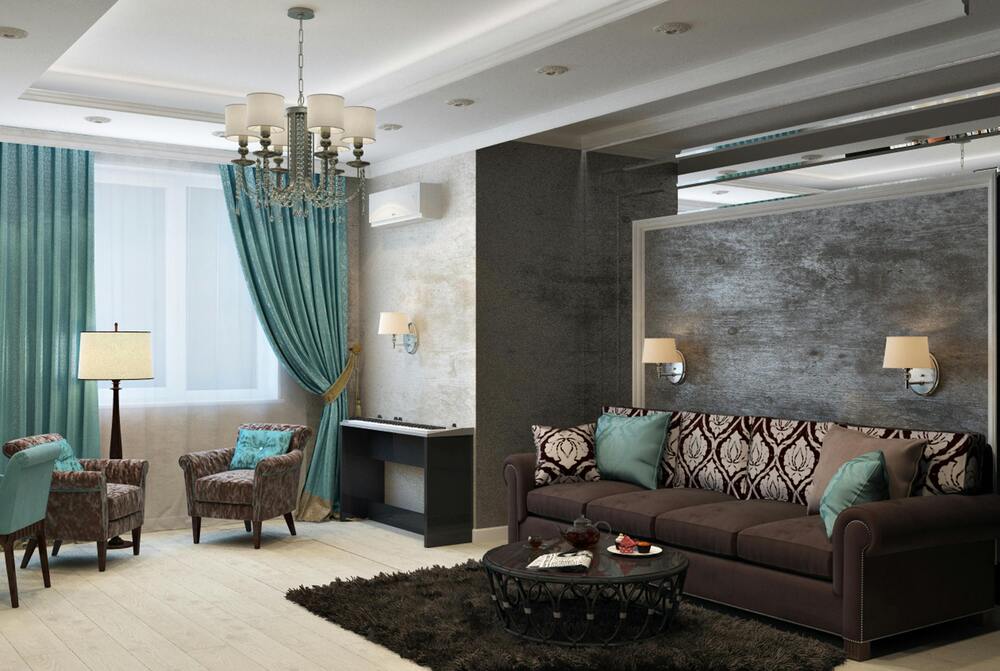 The process of picking out curtains for your home requires balancing each room’s unique demands for light control, privacy, and aesthetic style. Whether you need sheer day curtains to soften the morning sun, thick blackout drapes for restful sleep, or advanced motorised curtain and shade systems for smart, effortless living, Fabrik Etc. offers a curated collection of curtains and blinds suited for every room and preference.
To explore our full range, from day or sheers to blackout and custom motorised systems, partner with us and take the next step in creating a space with lasting quality and style.